Understand the product system before comparing price
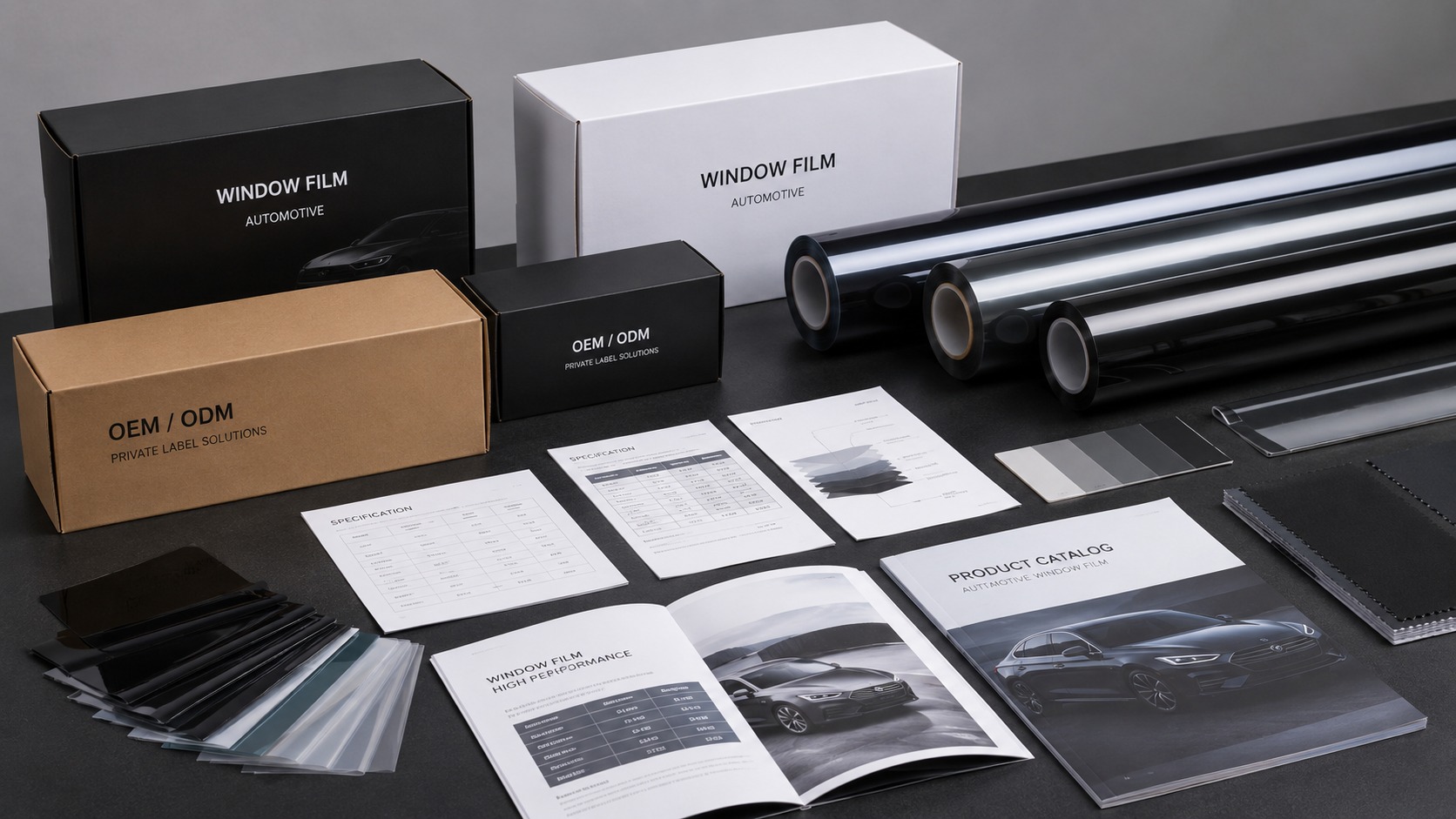
Automotive film buyers often compare suppliers only by price, thickness or a single performance number. That is not enough for long-term distributor cooperation. A professional product line needs a clear structure: transparent TPU PPF for paint protection, color PPF for styling, chameleon PPF for visual differentiation, and window film for solar control, UV protection, privacy and building glass applications.
BAOYU’s resource center is built around that structure. The goal is to help buyers understand the difference between product families before requesting samples. A buyer who understands the product route can ask better questions, select better samples and build a more convincing catalog for local customers.
Four buyer types use different information
Distributors need product ranges that are easy to sell, easy to explain and stable enough for repeat orders. Installers need application performance, handling behavior and after-installation results. Private label brands need product naming, packaging direction, sample books and consistent series logic. Purchasing teams need datasheets, warranty positioning and sample approval details.
That is why the website separates resources into knowledge, guides, technical articles, FAQ, cases and news. Each section supports a different stage of the buying process.
The basic language of film selection
Window film buyers should understand VLT, UVR, TSER, IR rejection, haze, reflection and recommended glass position. PPF buyers should understand TPU route, thickness, micron, coating thickness, gloss, self-healing type, hydrophobic performance, anti-fouling behavior and color effect. These words are not decoration; they are the language of quotation, sampling and product-line planning.
When buyers use this language correctly, BAOYU can recommend options more accurately. Instead of receiving an unrelated sample package, buyers can request specific product routes for their target market.